
Most community platforms claim great onboarding. Almost none of them are built for SaaS founders trying to get from $5K to $100K MRR. If you're running or joining a mastermind and want a checklist process that actually moves revenue, the platform you pick matters. Here are the seven best options, starting with the one built specifically for your stage.
1. Profitable Founder Podcast (Our Top Pick)
The Profitable Founder Podcast is a weekly show where host Florian Darroman interviews bootstrapped SaaS founders making between $100K and $10M a year. The real product, though, is the Profitable Founder Club: a private mastermind for SaaS founders doing $5K to $50K MRR who want to reach $100K.
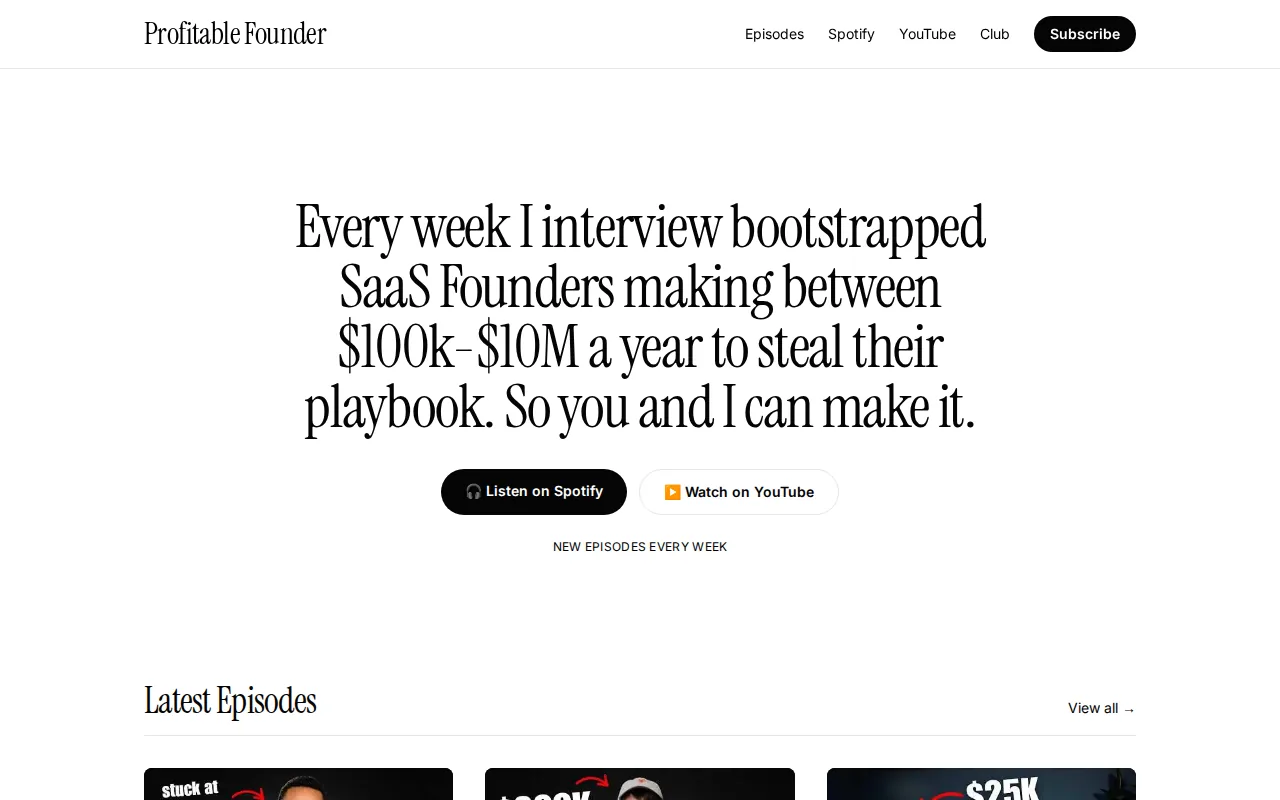
Here's what makes this different from every other platform on this list: the onboarding isn't about features or UI walkthroughs. It's about revenue. New members get plugged into a peer group that already knows their MRR range. The weekly podcast episodes double as onboarding material, each one a founder playbook you can steal and apply the same week.
The Profitable Founder Club runs bi-weekly hot seat calls where three member problems get solved per session. You share your MRR at every call. That single rule, numbers on the table every two weeks, is more accountability than most founders get in a year of solo building. The best SaaS mastermind programs all share this DNA: real numbers, real peers, real stage match.
The caveat: this isn't a tool you set up yourself. You apply, get vetted, and join a cohort. If you want a white-label platform to run your own community, look further down this list. But if you're a SaaS founder at $5K, $50K MRR and your goal is $100K, nothing on this list gives you a more direct path.
2. Skool — Best for Paid Mastermind Cohorts and Accountability Groups
Skool is a community platform built for paid membership groups. It combines a discussion forum, a course library, and a leaderboard system into one simple interface. For founders who want to run their own mastermind cohort with a structured onboarding checklist, Skool gives you enough structure without getting in the way.
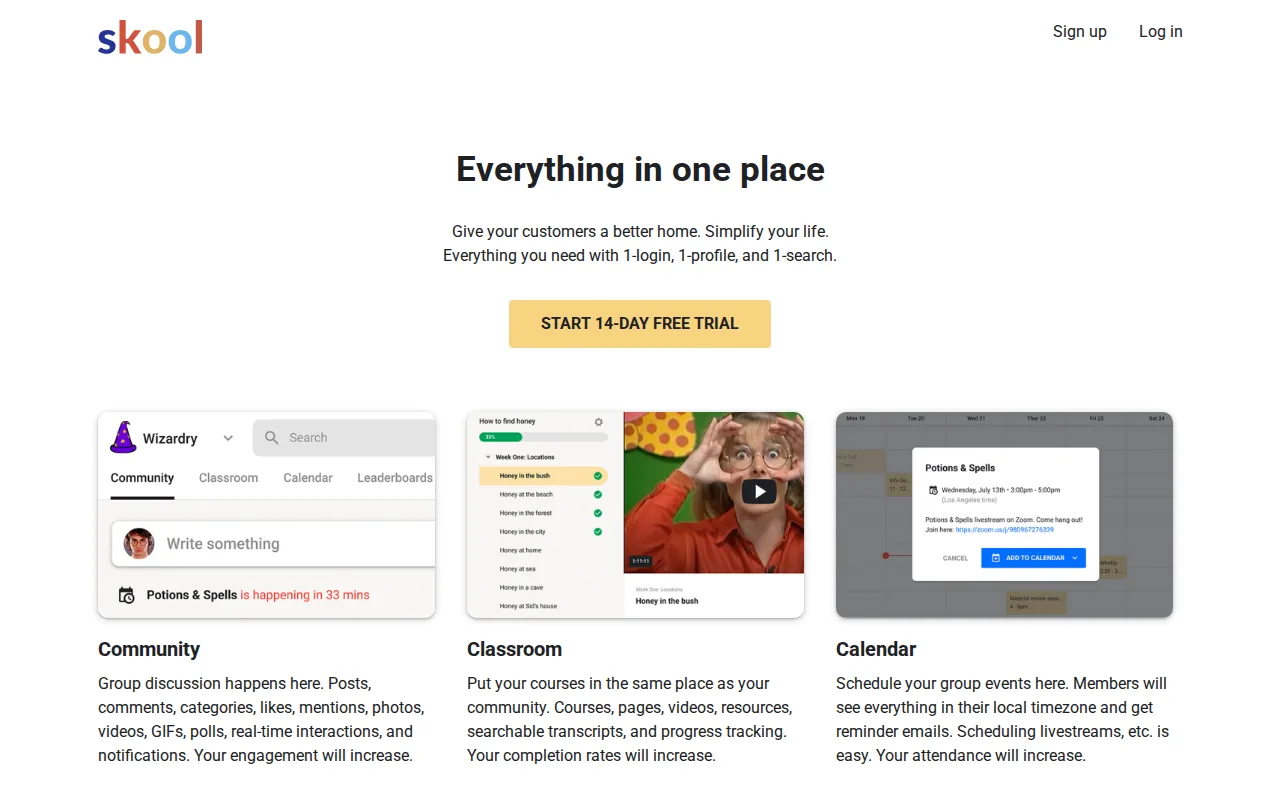
The onboarding flow works through a locked course module system. New members complete modules in sequence before accessing the broader community. That's a workable checklist mechanic: finish step one, unlock step two. For a SaaS mastermind, you'd map each module to a real activation behavior, like posting your MRR or booking your first hot seat slot, rather than passive reading.
Skool is best for: founders who want to monetize their own peer group or run a paid accountability cohort. The gamification layer (points, leaderboards) keeps newer members engaged during the early onboarding phase when drop-off risk is highest. Progress visibility and reward loops are widely recognized drivers of task completion, which is exactly what a multi-step onboarding checklist needs.
The limitation is integration depth. Skool has no native Zapier connection or CRM sync, so if you want onboarding data to flow into your existing stack, you're doing it manually. Fine for a lean mastermind group, less fine if you're running a scaled community.
3. Circle — Best for SaaS Customer Communities with Workflow Automation
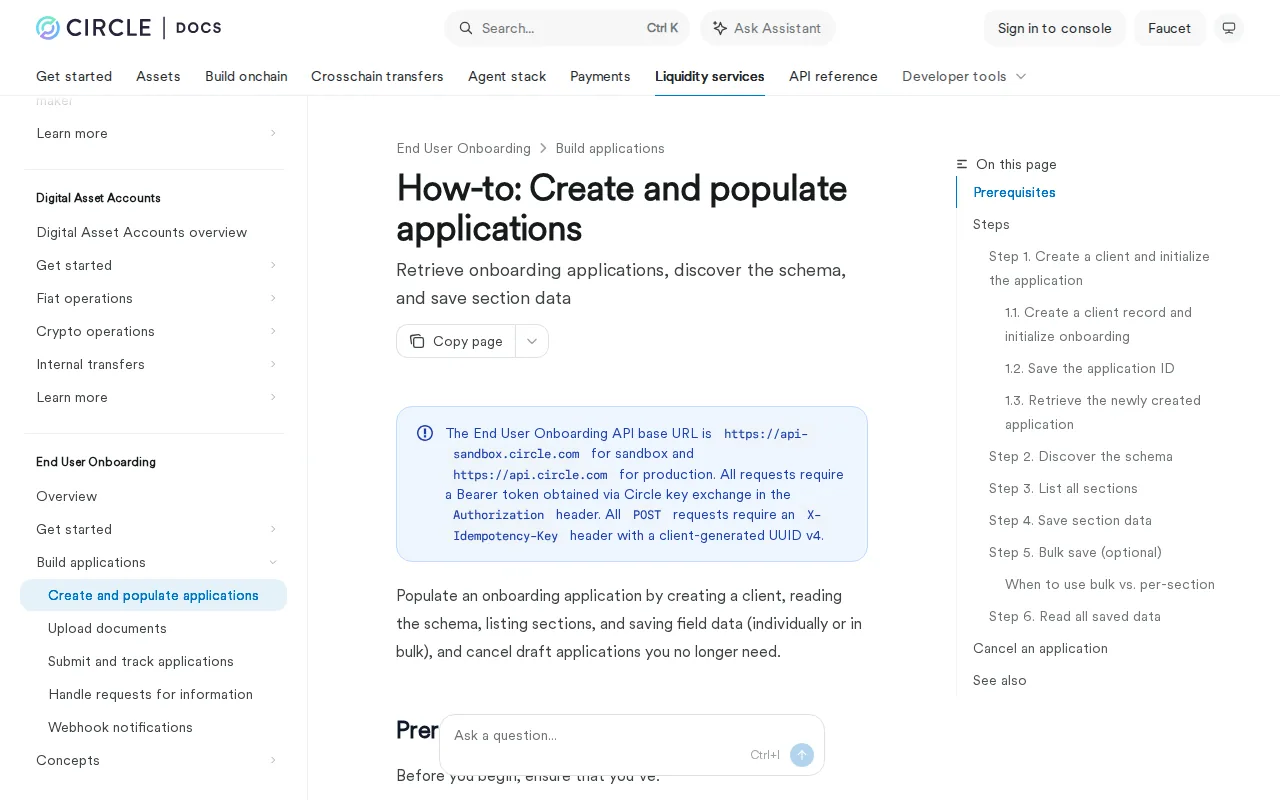
Circle is the most technically capable community platform for SaaS founders who need real workflow automation baked into their onboarding checklist. On the Business plan, you get access to workflow automations that trigger on member actions: joined a space, completed a post, reached a milestone. Pair that with the native Zapier integration and you can sync onboarding steps directly into your CRM.
Circle's onboarding toolkit includes customizable welcome emails, member directories, and custom application forms. For a B2B SaaS mastermind, that means you can build a multi-step intake: application form, conditional approval, automated welcome sequence, first task unlock. It's the closest thing to a purpose-built SaaS mastermind onboarding checklist you'll find on a self-serve platform.
The catch is cost. Automation features sit behind the Business plan, and CRM tooling adds more. If you're running a tight bootstrapped operation, that overhead stings. Circle is also positioned for broader B2B communities, not the narrow $5K, $50K MRR SaaS founder segment. The onboarding toolkit is powerful but generic. You'll spend real time configuring it to feel SaaS-specific.
Worth it if you're building a customer community around your SaaS product and need automation that keeps pace with member growth. Less obvious as a choice for a founder-to-founder mastermind where the content, not the workflow, does the heavy lifting.
4. Slack — Best for Professional SaaS Mastermind Communication and Onboarding Flows
Slack isn't a community platform. It's a messaging tool. But for professional SaaS mastermind groups, it's still the default communication layer, and a well-structured Slack workspace can run a solid onboarding checklist through channel sequencing and pinned resources.
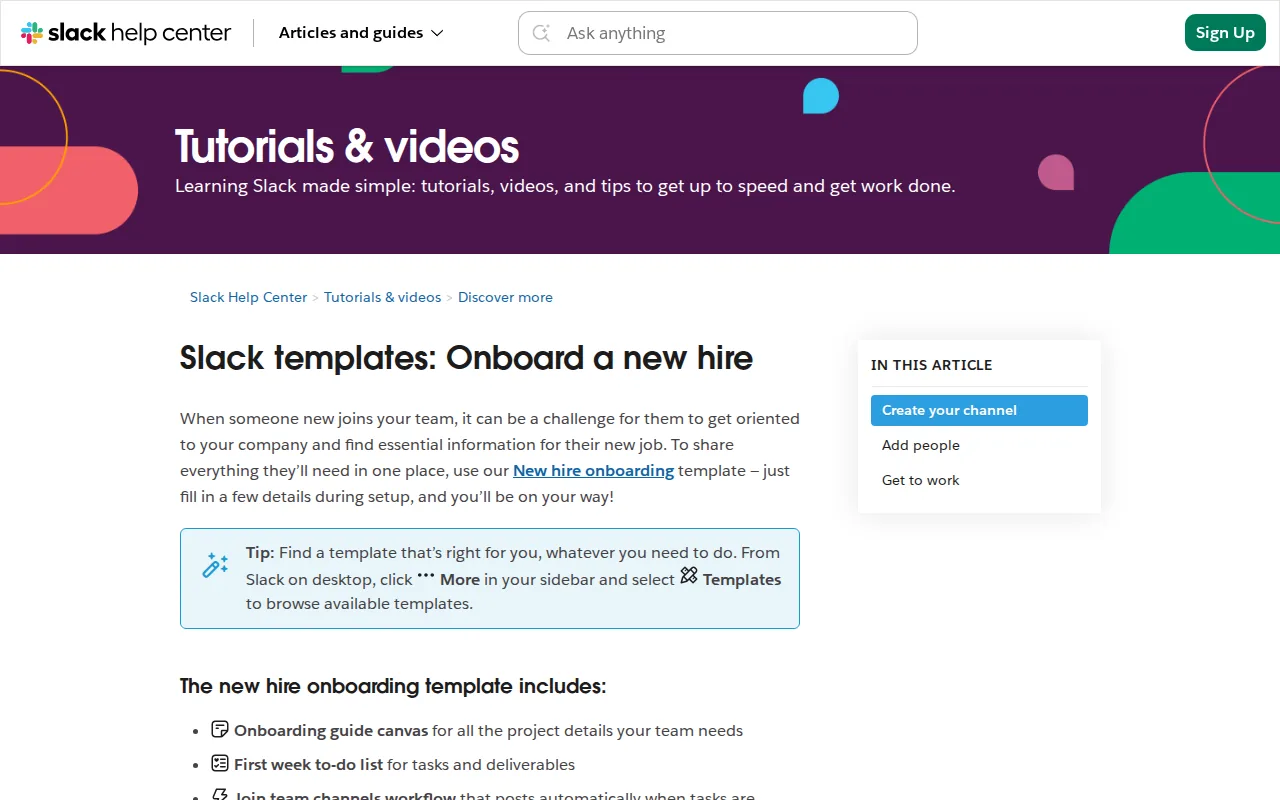
The onboarding mechanic in Slack is channel-gating. New members land in an #introductions channel, post their MRR and current challenge, then get manually added to stage-specific channels by an admin. It's not automated, but it works. You can build a checklist inside a pinned post: introduce yourself, read the rules, post your first week goal. Simple, visible, and easy to verify.
Slack is best for mastermind groups where members already live in Slack for work. There's zero friction for adoption. The search function makes it easy to surface past discussions when a member hits a problem someone else already solved. The SaaS accountability group format maps well here: one channel per accountability pair, one channel for weekly wins, one for async hot seats.
The real limitation is that Slack has no native course or content module system. You can't drip content or lock access based on checklist completion. For a mastermind that runs on peer discussion and fast async feedback, Slack is excellent. For one that relies on structured content delivery, you'll need to pair it with something else or move to a platform designed for it.
5. Mighty Networks — Best for Creator-Led SaaS Mastermind Member Networking
Mighty Networks is a community platform built around member networking and cohort-based events. It's popular with creator-led communities where the host's brand drives member acquisition and the platform supports member-to-member connection. For a SaaS mastermind, that translates to member profiles, direct messaging, and event tools that let you run live onboarding calls inside the platform.
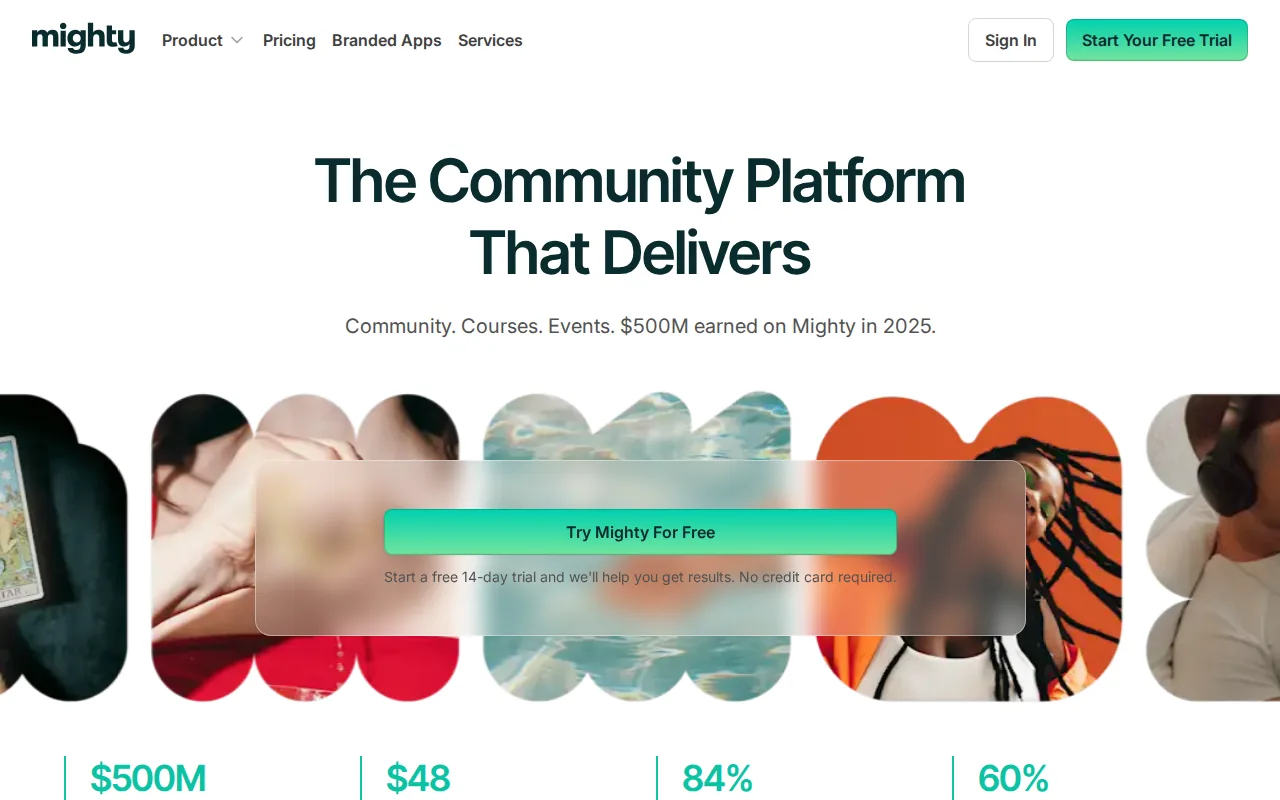
The onboarding checklist on Mighty Networks runs through a combination of welcome posts, required profile completion, and course modules. On higher-tier plans, you get Zapier access and some automation capability, which lets you trigger follow-up messages when a member finishes a key onboarding step. The member directory is stronger than most platforms, which matters when your mastermind's core value is who you meet, not just what you learn.
For SaaS founders running a community with a strong personal brand, Mighty Networks gives you the tools to make onboarding feel like an event, not a checklist. New member spotlights, cohort kickoff calls, and a visible community feed all create the social proof that keeps early members engaged before the real peer relationships form.
The caveat: Mighty Networks is positioned for creator communities broadly. The platform doesn't speak SaaS natively. You'll be adapting general community features to a founder-specific context. That's doable, but it takes configuration work upfront. If networking is your mastermind's primary value proposition, Mighty Networks earns its place. If revenue accountability is the core mechanic, you may want something more structured.
6. Ruzuku — Best for Cohort-Based SaaS Mastermind Onboarding with Drip Content
Ruzuku is a course and cohort platform built specifically for structured, enrollment-based programs. Its onboarding checklist features are the most purpose-built on this list for a sequential, milestone-driven experience. You get cohort scheduling tied to enrollment dates, drip content that unlocks by day or completion, quizzes, assignments, and lesson-level discussion threads.
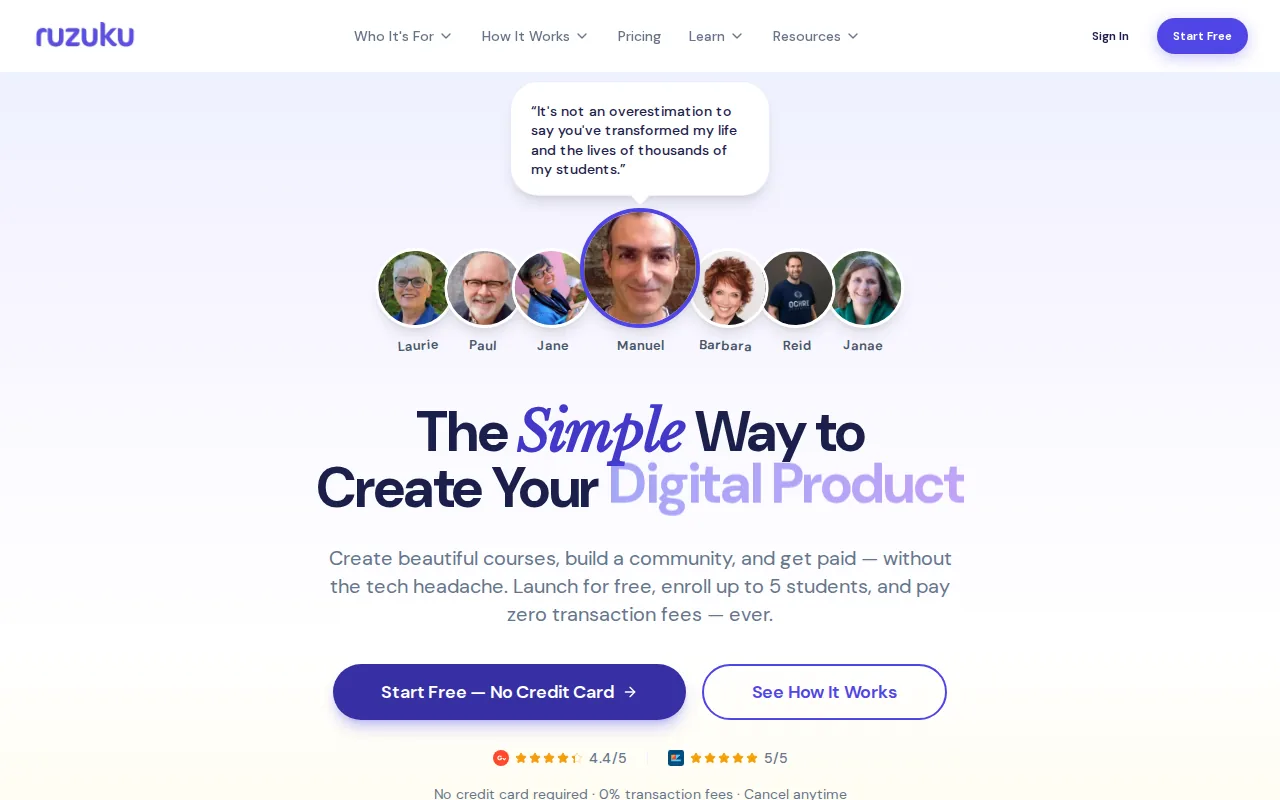
For a SaaS mastermind that runs in cohorts, like a 12-week program where every member starts and progresses together, Ruzuku's drip content mechanic is exactly right. Week one unlocks the onboarding module. Week two unlocks the first peer accountability framework. Each step is tied to enrollment date, so the whole cohort moves together. That shared pace is a powerful onboarding mechanic: members feel less alone because everyone is at the same step.
Ruzuku also supports customizable certificates and assignments, which works well if your mastermind has a completion credential or a structured deliverable at each milestone. The lesson-level discussion threads keep peer conversation close to the content, rather than scattered across a separate forum.
Where Ruzuku falls short is community depth. It's a course platform with community features, not the other way around. Real-time communication is thin compared to Slack or Circle. If your mastermind's day-to-day value comes from async peer discussion and quick feedback loops, Ruzuku won't carry that weight alone. It's a strong choice when structured content delivery is the backbone of your onboarding checklist, and peer interaction is a secondary feature.
7. Kajabi Community — Best for SaaS Founders Who Want Onboarding Plus Monetization in One Place
Kajabi Community is the monetization-first option on this list. It's part of the broader Kajabi platform, which means your onboarding checklist, your payment processing, your email sequences, and your course content all live in one dashboard. For a SaaS founder who also runs a paid mastermind as a revenue stream, that consolidation has real value.
The onboarding flow in Kajabi Community works through a combination of automated email sequences triggered by purchase, course module gating, and community posts. A new member pays, gets an automated welcome email with first steps, and lands in a locked course module that serves as the onboarding checklist. Complete the module, unlock the community feed. It's a clean, linear path.
Kajabi's built-in payment tools and membership tiers mean you can run multiple mastermind tiers without stitching together separate payment and community tools. Pricing varies by tier structure and plan. For founders running the mastermind as a business, not just a peer group, that matters. If you want to compare how different mastermind programs price their tiers, the SaaS mastermind pricing calculators guide breaks down the ROI math worth running before you commit.
The limitation is cost and lock-in. Kajabi is one of the more expensive platforms on this list, and it bundles features you may not need. If you're early stage and your mastermind is small, you're paying for a lot of infrastructure. But if monetization and community are both priorities, Kajabi removes the integration headache that plagues every other platform on this list.
How to Pick the Right Platform for Your SaaS Mastermind Onboarding Checklist
The seven platforms above solve different problems. Your choice depends on two things: what stage you're building for, and what your onboarding checklist actually requires members to do.
A few quick decision rules. If your mastermind's primary value is peer accountability at a specific MRR stage, the Profitable Founder Club and Slack both outperform more elaborate platforms. If you're building your own paid community and need structured content delivery, Ruzuku or Kajabi. If you need automation that syncs with your CRM, Circle is the only platform in this group with real Zapier depth. For a deeper breakdown of how top programs structure member intake, the SaaS mastermind application checklist guide covers what to look for before you apply or build.
Most founders overthink the platform and underthink the checklist itself. Members who complete a clear onboarding path show up more, contribute more, and stay longer. Pick the platform that makes that path obvious, not the one with the most features.
FAQ
What should a SaaS mastermind onboarding checklist include?
A good mastermind onboarding checklist should move new members toward their first real peer interaction, not just introduce features. At minimum: a profile or intro post with current MRR, one completed orientation module, a first hot seat or accountability commitment, and a booked call. Keep it under five steps. Longer checklists get abandoned before members hit the steps that actually build community.
How do I pick the right community platform for a SaaS mastermind?
Match the platform to what your checklist requires members to do. If steps are mostly content-driven, use Ruzuku or Kajabi. If steps are peer-interaction-driven, Circle or Slack handles that better. If you're joining an existing mastermind rather than building one, skip the platform question entirely and focus on stage fit. A $5K, $50K MRR founder gets more from the Profitable Founder Club than from any generic platform.
Does Slack work for mastermind onboarding?
Yes, for small professional groups. Slack's onboarding mechanic relies on channel sequencing and pinned checklists managed manually by an admin. It works well when members already use Slack for work and adoption friction is zero. It breaks down when you need content drip, locked modules, or automated triggers. For a tight founder peer group focused on async accountability, Slack is often enough.
What makes a mastermind onboarding checklist different from a regular SaaS onboarding flow?
A SaaS product onboarding drives users to a first activation behavior inside your app. A mastermind onboarding drives new members to their first real peer contribution: posting MRR, booking a hot seat, or making a public commitment. The goal isn't feature adoption. It's trust-building and stage match. Steps that don't contribute to a member's first genuine peer interaction should be cut.
Is automation important for a SaaS mastermind onboarding checklist?
It depends on your community size. For groups under 50 members, manual onboarding with a simple Slack checklist or Skool module sequence works fine. Above that, automation prevents members from slipping through without completing key steps. Circle is the strongest option here, with workflow triggers and Zapier integration on paid plans. Most platforms surveyed have limited or no automation, so don't assume it's included.
How long should mastermind onboarding take?
The best mastermind onboarding runs one to two weeks. Long enough for new members to complete key steps before their first live call. Short enough that they don't lose momentum waiting to contribute. Three to five checklist items is the right length. More than that and completion rates drop sharply before members reach the steps that create real accountability.
Conclusion
If you're a SaaS founder between $5K and $50K MRR, the Profitable Founder Club gives you the most direct path to $100K MRR because the onboarding is built around your revenue stage, not generic community features. The other six platforms on this list are worth knowing, and Circle or Kajabi make sense if you're building your own community. But if you're choosing where to invest your time as a founder, finding the right SaaS founder mastermind at your exact MRR stage beats any platform feature list. Start with the Profitable Founder Club application at profitablefounder.xyz.
